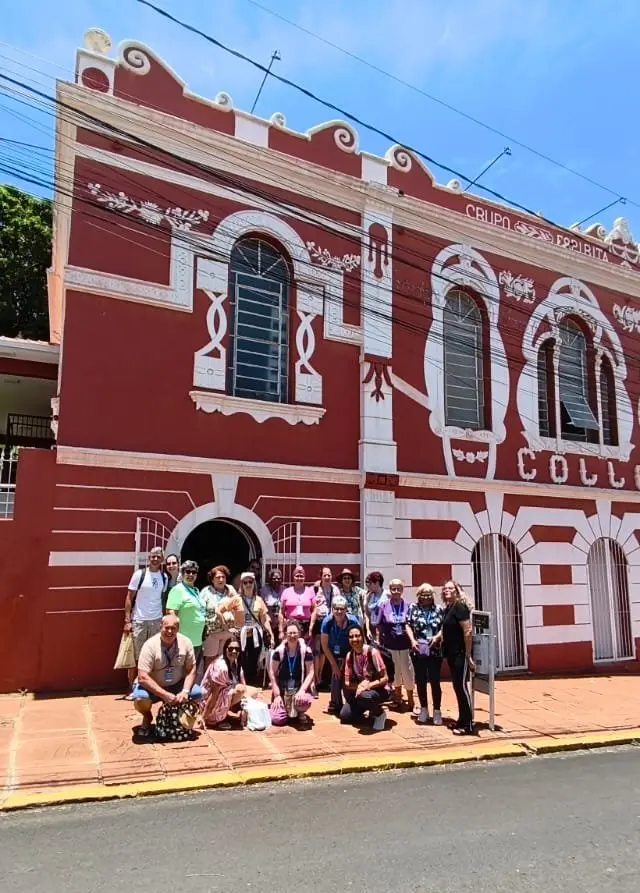

Tiradentes is a historic town in the state of Minas Gerais, preserved since the colonial period and known for its centre of stone streets, baroque churches and crafts. It is a destination that features in Mundo a Passeio cultural itineraries departing from Porto Alegre.
Where is Tiradentes and what is its historical origin?
Tiradentes lies in the central region of Minas Gerais, close to São João del-Rei. It began in the early eighteenth century with gold mining in the area, a period that brought a heavy flow of settlers and enslaved workers linked to mining. The town's present name honours Joaquim José da Silva Xavier, known as Tiradentes, leader of the Inconfidência Mineira, who was executed in 1792. He lived part of his life in the region before becoming a central figure in that separatist movement.
Before receiving its present name, the town was known as São José del-Rei, a name used throughout much of the Brazilian colonial and imperial periods.
What is there to see in the historic centre of Tiradentes?
The highlight of the historic centre is the Igreja Matriz de Santo Antônio, one of the richest churches of Minas Gerais baroque, with a sundial on the façade that still works and an interior of gilded carving made during the eighteenth century. The church is considered one of the most complete examples of colonial religious architecture preserved in the state.
The uneven stone streets, preserved since the colonial period, and the large old houses that now hold guesthouses, studios and craft shops complete the walk through the centre, forming an urban ensemble that has kept much of its original character over the centuries.
What characterises the crafts of Tiradentes?
The crafts of Tiradentes are known mainly for work in tin, which local artisans make into decorative and practical pieces sold in studios across the town. This craft tradition developed over decades and has become one of the elements that attract visitors who want to take home a keepsake of the region.
Craft production is an important part of the local economy, complementing historical tourism as a source of income for families who run their own studios in the town centre.
Is Tiradentes linked to historic trains?
Tiradentes is one of the stations on the Estrada de Ferro Oeste de Minas, a nineteenth-century railway line that links the town to São João del-Rei by the Maria Fumaça, a steam train that still runs on tourist journeys between the two towns. The line is considered one of the oldest in tourist operation in Brazil, preserving period locomotives and carriages.
The Maria Fumaça's operation and timetable vary and should be confirmed directly with the train operator, since the journey usually runs on specific days and times during the week.
How does Tiradentes fit into a Mundo a Passeio caravan?
Tiradentes is usually included in Mundo a Passeio itineraries departing from Porto Alegre that bring together historic towns of Minas Gerais, often alongside Ouro Preto and Congonhas on the same route. This combination allows travellers to see different phases of Minas Gerais colonial architecture within a single trip.
The time given to the visit and the places included on each trip should be confirmed on WhatsApp, as Mundo a Passeio may adjust the make-up of the itinerary according to the departure date.
Does Tiradentes have its own food tradition?
Traditional Minas Gerais cooking is one of the attractions of Tiradentes, with restaurants set in historic houses in the centre serving typical dishes from the interior of Minas Gerais. This food tradition adds to the architectural heritage as part of the experience of visiting the town.
The combination of history, crafts and local cuisine is one of the reasons Tiradentes remains one of the most sought-after destinations on itineraries through the interior of Minas Gerais.
Is it worth combining Tiradentes with São João del-Rei on the same trip?
Tiradentes and São João del-Rei are close to each other in the same region of Minas Gerais and are linked by the Maria Fumaça line. This makes it easy to combine the two towns in one stage of a trip for those interested in colonial architecture and railway heritage. São João del-Rei also preserves a significant historic centre, with churches and buildings from the colonial and imperial periods.
This combination is common on cultural itineraries through the interior of Minas Gerais, since the two towns complement each other in historical attractions, and neither replaces the experience offered by the other.
What characterises the Tiradentes Festival of Culture and Gastronomy?
Tiradentes hosts an annual festival of culture and gastronomy that brings together chefs and events linked to Minas Gerais cooking, attracting visitors interested in this particular side of the town as well as its architectural heritage. The event adds to a cultural calendar that already includes one of the most established film festivals held in historic towns in Brazil.
Outside the period of these events, the town keeps a quieter pace, which also appeals to visitors looking for a more contemplative walk through the historic centre, without the bustle of festival days.
See also Ouro Preto: what to see in one day, Congonhas: the Prophets of Aleijadinho and more itineraries at /blog.
Cover photograph: Igreja Matriz de Santo Antônio, in Tiradentes (MG), own archive, taken on the April 2026 caravan.