Two trips to the same destination can give you very different days. On one, you leave early, cross town and keep going into the evening. On the other, you choose a single outing, take your time over lunch and return to the hotel before late afternoon. Before comparing prices for Brazil’s Carnival 2027, decide which kind of routine you actually want.
The destination is only part of that decision. Time on the road, the hotel’s location, meals and expenses outside the package all count. A trip is easier to budget for when you can see the whole journey, including getting to the departure point and making your way home afterwards.
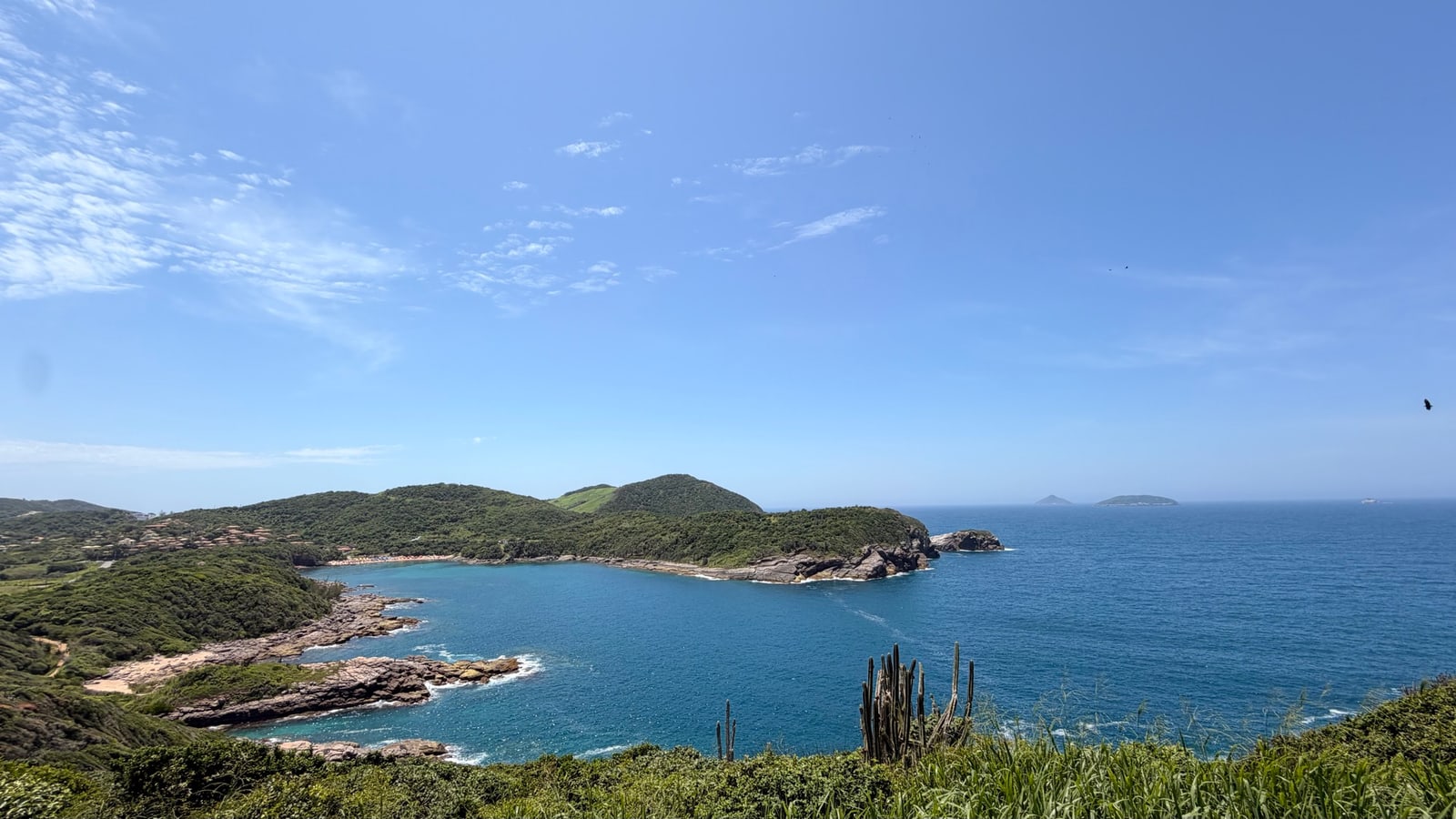
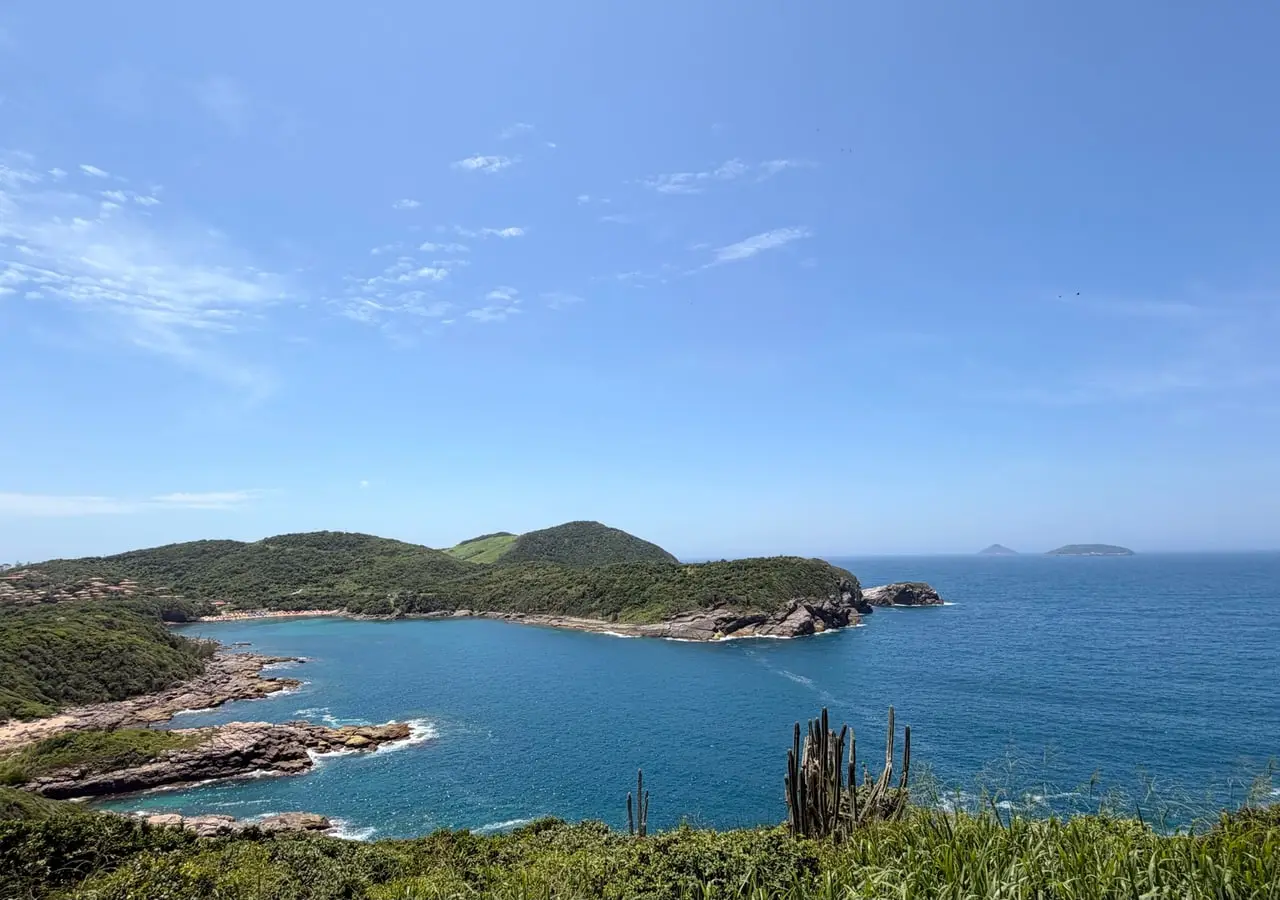
Personal travel archive shared for editorial use by Mundo a Passeio and Guatambu Travel, October 2026. This photograph does not advertise a package or availability for Carnival 2027.
Start with the day you want to have
If you want to rest, look for room to do that in the programme: mornings without a compulsory departure, unhurried meals or the option of returning to your accommodation. Ask how free time works and whether transport arrangements support that choice.
If you want to attend events, find out where they take place, how you will get there and when they finish. Being in the city does not mean that admission, transfers or assistance are included. For outdoor activities, check the physical demands, access arrangements and alternatives if conditions are unsuitable.
Try a short conversation with your partner, family or group. Each person names one activity they would particularly like and one condition they want to avoid. That might mean leaving before dawn, walking long distances or staying far from restaurants. This turns a broad preference into something useful when choosing an itinerary.
Count the entire journey
Travel time includes reaching the departure point, waiting to leave, taking breaks and continuing to the accommodation. Check the planned dates and times. A night on a coach is different from a hotel night, and the advertised trip length may include the outward and return journeys.
Illustrative example: two programmes might occupy the same dates in your calendar, yet one may spend more of that time on the road. That leaves different amounts of time at the destination. Compare the planned timings as well as the number of days in the title.
Look at the sequence of visits, too. Changing towns and hotels can help you see different places, but it also involves packing and following new departure times. If you would rather settle in and explore a neighbourhood on foot, staying in one base may suit you better.
Include expenses outside the package
Make a list with one column for each proposal. Use only quoted amounts or current prices, and mark unresolved items “to be confirmed”. The table below is an organising tool, with no estimated prices.
| Part of the trip | What to check in each proposal |
|---|---|
| Main transport | Outward and return journeys, category and boarding points |
| Accommodation | Number of nights, room type and included services |
| Food | Covered meals and meals you pay for separately |
| Local journeys | Transfers, travel to events and return to the hotel |
| Activities | Admission, optional excursions and necessary expenses |
| Protection and extras | Insurance, disclosed charges and personal spending |
Add the booking price to the necessary expenses you will pay separately. If you will pay in instalments, compare the full amount payable and the payment dates. Set aside an amount for unexpected expenses that fits your own circumstances; there is no percentage that works equally well for every traveller.
Brazil’s National Consumer Secretariat, Senacon, advises that offer conditions, prices and additional charges should be clear. If a cost remains unanswered, your comparison is still incomplete.
Find out what “included” means
Ask for the accommodation’s name, the room type and whether the quoted price assumes room sharing. Check whether an excursion includes admission or only transport to the venue. For an optional activity, ask what happens if you do not take part and whether arranging your own transport would cost extra.
Procon-SP, São Paulo’s consumer protection agency, recommends recording agreed services in the contract. Helpful messages make the discussion easier, but those arrangements should also be recognisable in the proposal you accept.
For travel insurance, read the cover, limits, dates and instructions for requesting assistance. Brazil’s insurance regulator, SUSEP, explains that protection depends on the risks covered by the contract. Do not assume every disruption or cancellation will be covered.
Turn your research into a clear request
When contacting an agency, give your departure location, party size, available dates, total spending limit and preferred activities. Add any mobility or accommodation requirements. Say whether you could consider another date or destination.
Then ask about amendment and cancellation conditions and identify payment deadlines. Keep the proposal and written confirmations. Discussing a budget is easier when both sides understand exactly which trip they are comparing.
Common questions when choosing
Which Carnival trip costs less?
That depends on your starting point, dates and what is included. Compare the expected total spending for your party, using the same requirements for each option. This article contains no price quotes for 2027.
Can I rest somewhere that also has parties?
Possibly, depending on the accommodation’s location and the programme. Ask about the surroundings, journeys and timings. A destination description alone cannot guarantee a peaceful stay.
Where can I ask about Carnival 2027 options?
Explore Mundo a Passeio’s trips, in Portuguese, and send your travel preferences through the Portuguese contact page. Request confirmation of dates, availability and the total price. A destination appearing in the catalogue does not establish a Carnival departure.
Sources and scope
Consulted on 23 October 2026: Senacon: information when booking travel, Procon-SP: package services, SUSEP: travel insurance and Mundo a Passeio: catalogue. The table and example are editorial tools, not a price survey.