Communication between the physical world and the spiritual dimension is a phenomenon as old as humanity itself. When he published O Livro dos Médiuns (The Mediums' Book) in 1861, Allan Kardec took the subject out of the realm of fear, superstition and mysticism, subjecting mediumistic phenomena to the method of good sense, careful observation and gospel morality.
Understanding what mediumship is in the light of reason dispels prejudice and shows that this faculty is a blessed instrument of comfort, enlightenment and connection with the higher planes of life.
Kardec's concept of a medium
In simple terms, Kardec defines a medium as:
"Anyone who feels, to any degree, the influence of Spirits."
Under this broad definition, almost everyone is a medium to some intuitive degree, since everyone constantly receives inspiration from their spiritual benefactors in the form of noble thoughts, luminous ideas and warnings from conscience.
So-called overt mediumship, in which evident manifestations occur such as psychography, clairvoyance, psychophony or physical effects, is a natural organic aptitude, unconnected to any privilege or personal holiness.
The indispensable ethics of mediumship
What distinguishes Spiritism from the mediumistic practices of the past is the ethical and disinterested attitude with which the phenomenon is approached:
- Absolute gratuity: In line with the teaching of Jesus ("Freely you have received, freely give"), mediumship must never be commercialised. Charging for consultations, binding spells or rituals is considered a serious deviation from spiritual purity.
- Moral improvement: The medium attracts spiritual companions compatible with their inner attunement. Those who wish for the protection and presence of good spirits should cultivate humility, serious study and active charity.
- Good sense and humility: Spiritual communication must pass through the strict scrutiny of logic and the Gospel, rejecting any fascination or personal vanity.
Luminous examples of mediumship in Brazil
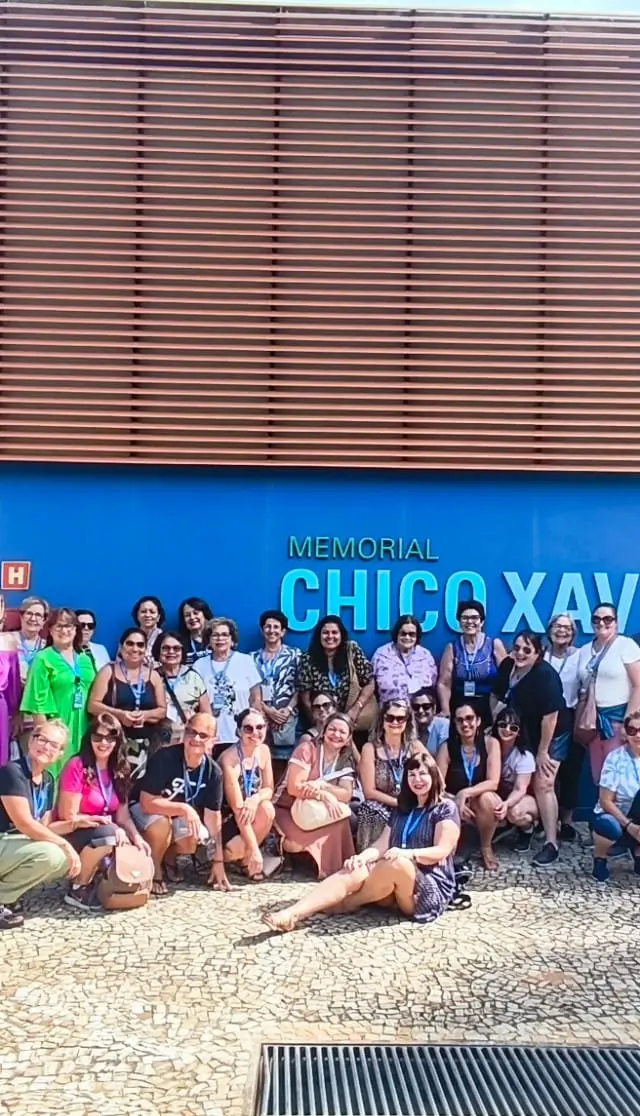
Brazil had the privilege of welcoming great workers who exemplified the nobility of this mission, such as Francisco Cândido Xavier in Pedro Leopoldo and Uberaba, and Divaldo Pereira Franco in Salvador. Both dedicated their lives to comforting thousands of families without ever charging a single centavo, donating in full the rights to hundreds of psychographed books to charitable works.
Travelling the paths of Spiritist memory
Visiting the historic towns and institutions where these pioneers lived is a moving and enriching experience. On Mundo a Passeio's caravans through the Triângulo Mineiro and Bahia, our passengers travel to these sacred places with comfort, safety and cultural depth.
Come and share this experience with us. Check our dates under expeditions or send us a message on WhatsApp.
Sources and references
- KARDEC, Allan. O Livro dos Médiuns (Part Two: Spiritist Manifestations). Translated by Guillon Ribeiro, Federação Espírita Brasileira.
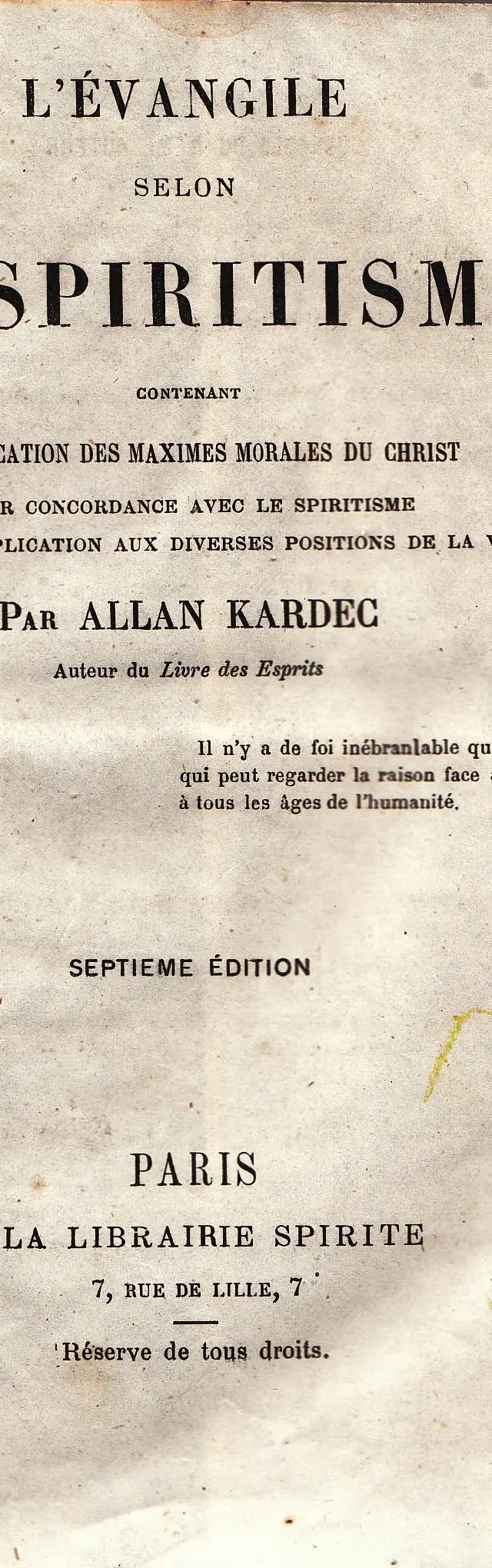
- KARDEC, Allan. O Evangelho Segundo o Espiritismo (chapter XXVI: "Freely you have received, freely give").
- Federação Espírita Brasileira (FEB): guidelines for the study and practice of mediumship.