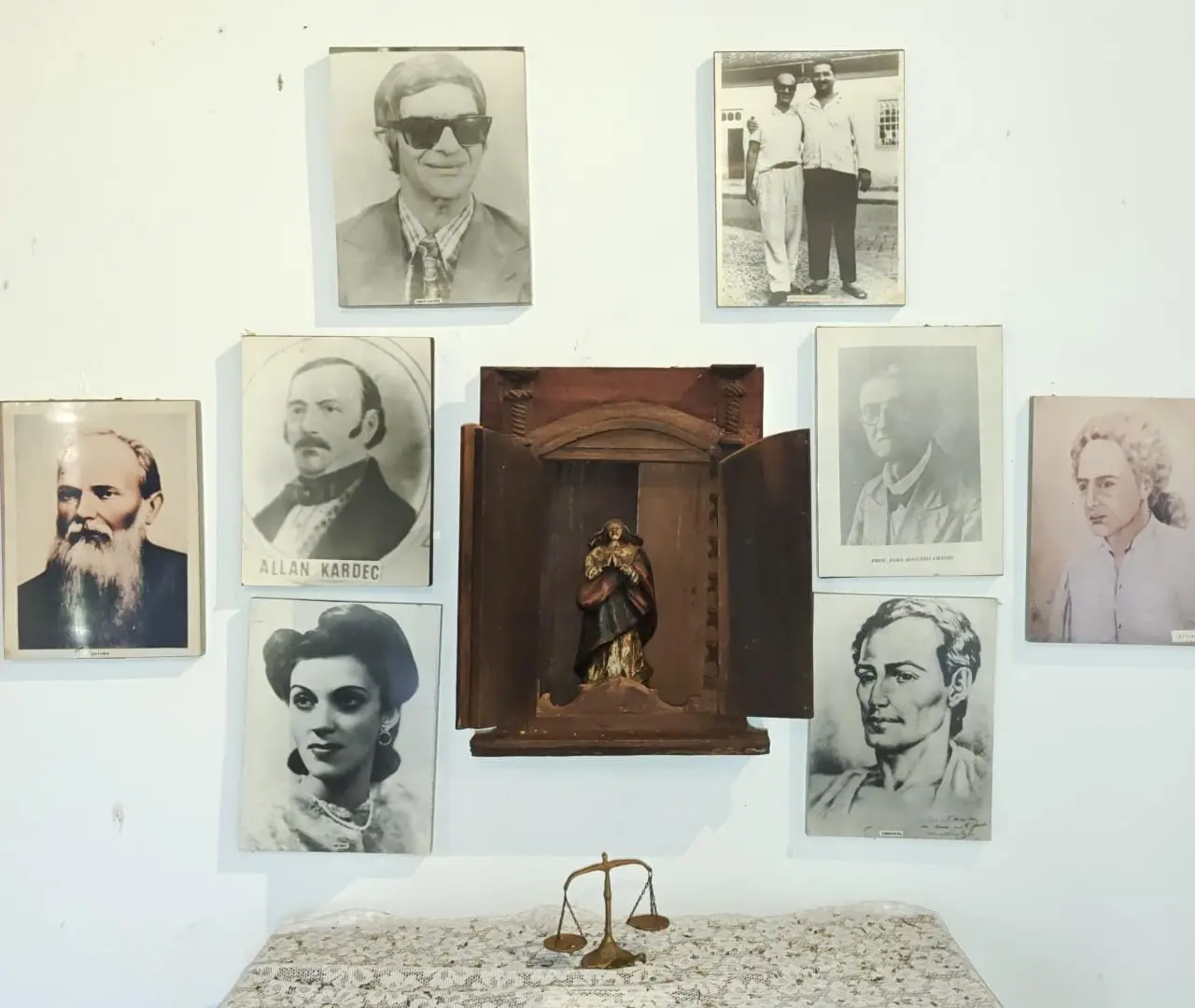
Long before the name Allan Kardec circulated around the world in translations into dozens of languages, a respected French educator had already left a deep mark on the history of European teaching in the early nineteenth century. His birth name was Hippolyte Léon Denizard Rivail, and his first vocation was the classroom, school textbooks and the moral education of young people.
Understanding who Professor Rivail was is the key to understanding why the foundational works of Spiritism were structured as clear questions and answers, with a logical sequence and accessible language. Modern pedagogy ran in Kardec's veins throughout his life.
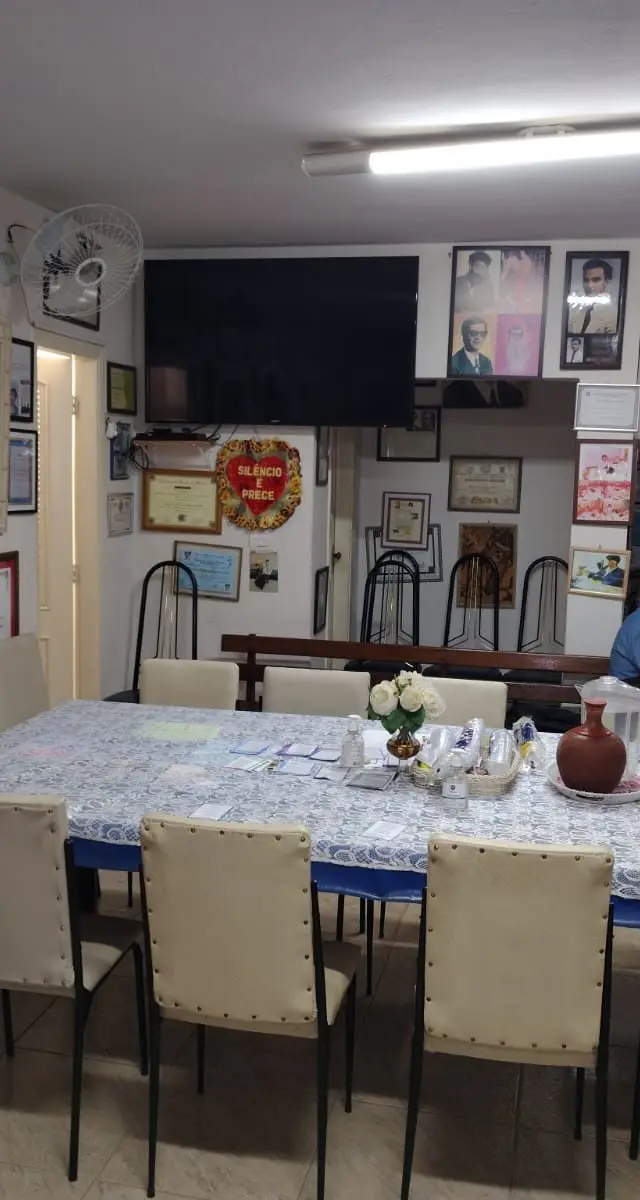
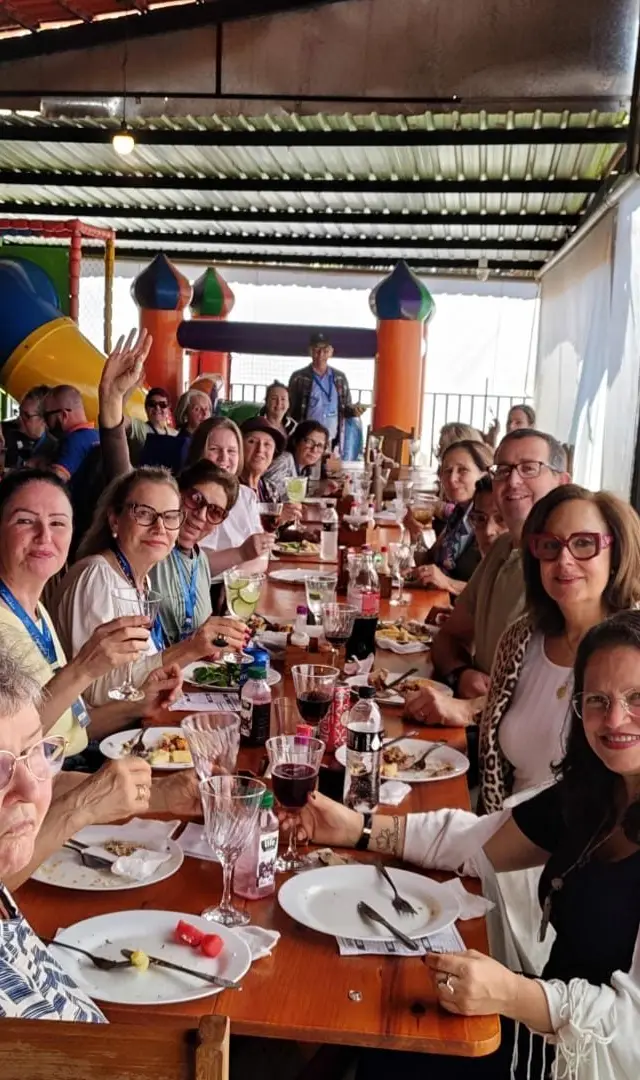
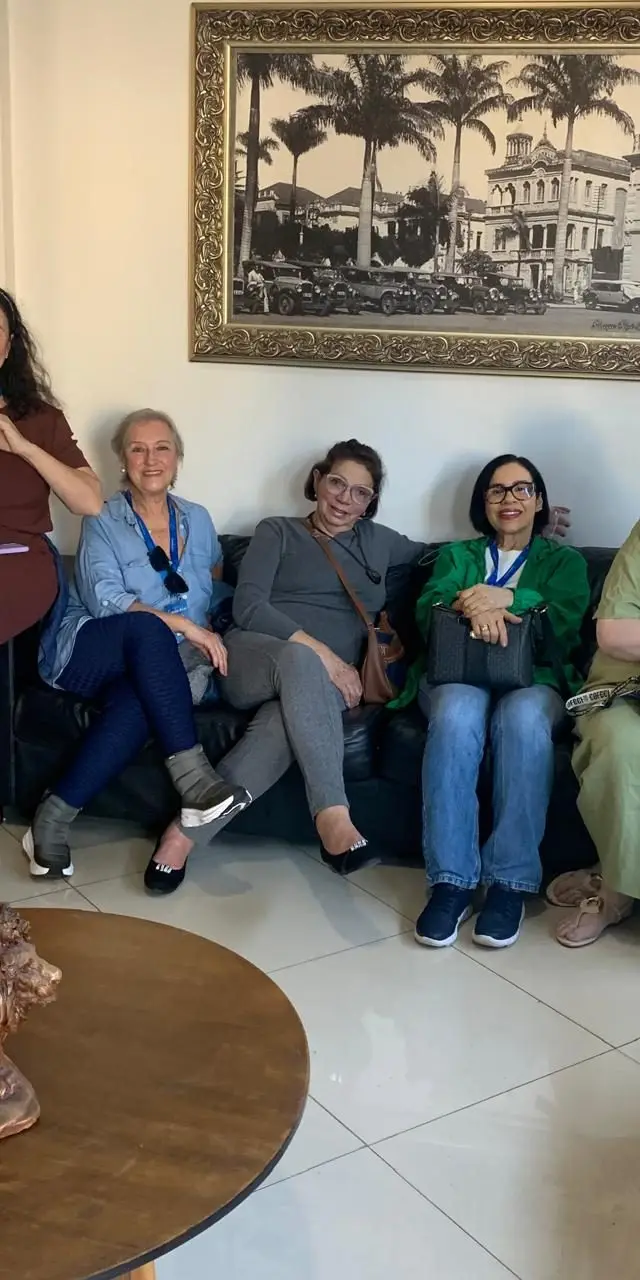
On the cultural and spiritual trips run by Mundo a Passeio, revisiting this human and intellectual side enriches the conversations between travellers, showing that mature faith goes hand in hand with learning and good sense.
Training with Pestalozzi in Switzerland
Born in Lyon in 1804, the son and grandson of prominent magistrates and lawyers, the young Rivail was sent at the age of ten to the town of Yverdon, in Switzerland, to study at the institute founded by Johann Heinrich Pestalozzi. Regarded as one of the greatest educators of all time, Pestalozzi held that education should not be the authoritarian imposition of memorised content, but the natural development of the faculties of a child's mind, heart and hands.
Rivail quickly stood out among the students, becoming the master's assistant and teaching younger classmates before he had even come of age. There he learned the value of experimental observation, Socratic dialogue and tolerance among people of different nationalities and creeds.
A pioneer of public education in Paris
On returning to Paris in the 1820s, the young teacher devoted himself with passion to the cause of education:
- In 1826 he founded the Instituto Técnico Rivail, a model school based on the modern teaching methods he had learned from Pestalozzi.
- He published numerous textbooks on grammar, arithmetic and calculation, which were adopted by the university council of France and used by generations of students.
- He gave free evening courses in chemistry, physics, anatomy and astronomy for workers and low-income families, arguing that quality education should be a universal right, open to men and women alike.
- He was a member of several scientific societies, including the Real Academia de Arras and the Instituto Histórico de Paris.
The teaching method applied to the doctrinal works
When Rivail came across mediumistic phenomena in 1855, aged fifty-one, he did not behave like a credulous mystic. He behaved like the experienced schoolmaster he had always been: he took paper and pen, drew up meticulous questionnaires on philosophy and human nature, and compared the answers received from different mediums with the same analytical rigour he used to mark academic theses.
The pseudonym Allan Kardec arose precisely so that the grammar and science manuals of Professor Rivail would not be mixed up with the new task of philosophical synthesis. Even so, the educator's teaching method remained alive on every page of "O Livro dos Espíritos" (The Spirits' Book).
Inspiration to learn and to travel
The continual search for knowledge and personal growth is what drives those who love to travel. On Mundo a Passeio caravans, we cultivate this same healthy curiosity, bringing together history, culture and moments of reflection that nourish both the mind and the soul.
Would you like to enjoy cultural trips rich in history, in the company of people who share the same interests? Explore our routes and upcoming departures or message Ana Carla on WhatsApp to find out more about our expeditions.
Sources and references
- Historical biography of Allan Kardec by Henri Sausse (1896), Federação Espírita Brasileira (FEB).
- Educational works and teaching treatises by Professor H. L. D. Rivail held at the Biblioteca Nacional da França (BnF).
- Biographical records and archive of the cultural caravans of Mundo a Passeio.